Automotive Gas Springs for Hoods & Tailgates
Gas Struts For Vehicle Access And Storage Panels
Automotive gas springs support hoods, tailgates, trunks, camper compartments, service vehicle panels, specialty vehicle hatches, and custom storage lids. They provide controlled lifting assistance and help keep panels open during loading, inspection, or maintenance.
OEM Vehicle Gas Spring Selection
Vehicle gas strut projects should define panel weight, hinge position, opening angle, stroke, mounting points, end fittings, temperature exposure, vibration, corrosion conditions, and required quantity. LX Gas Spring can review drawings or samples for custom OEM vehicle applications.
Gas Spring For Hood, Tailgate, And Service Vehicle Compartments
A gas spring for hood support, a rear tailgate strut, and a service vehicle compartment strut may use different force curves, bracket angles, end fittings, damping behavior, and corrosion protection even when the extended length looks similar. OEM buyers should separate replacement-sample work from new vehicle platform development.
Vehicle Gas Spring Applications
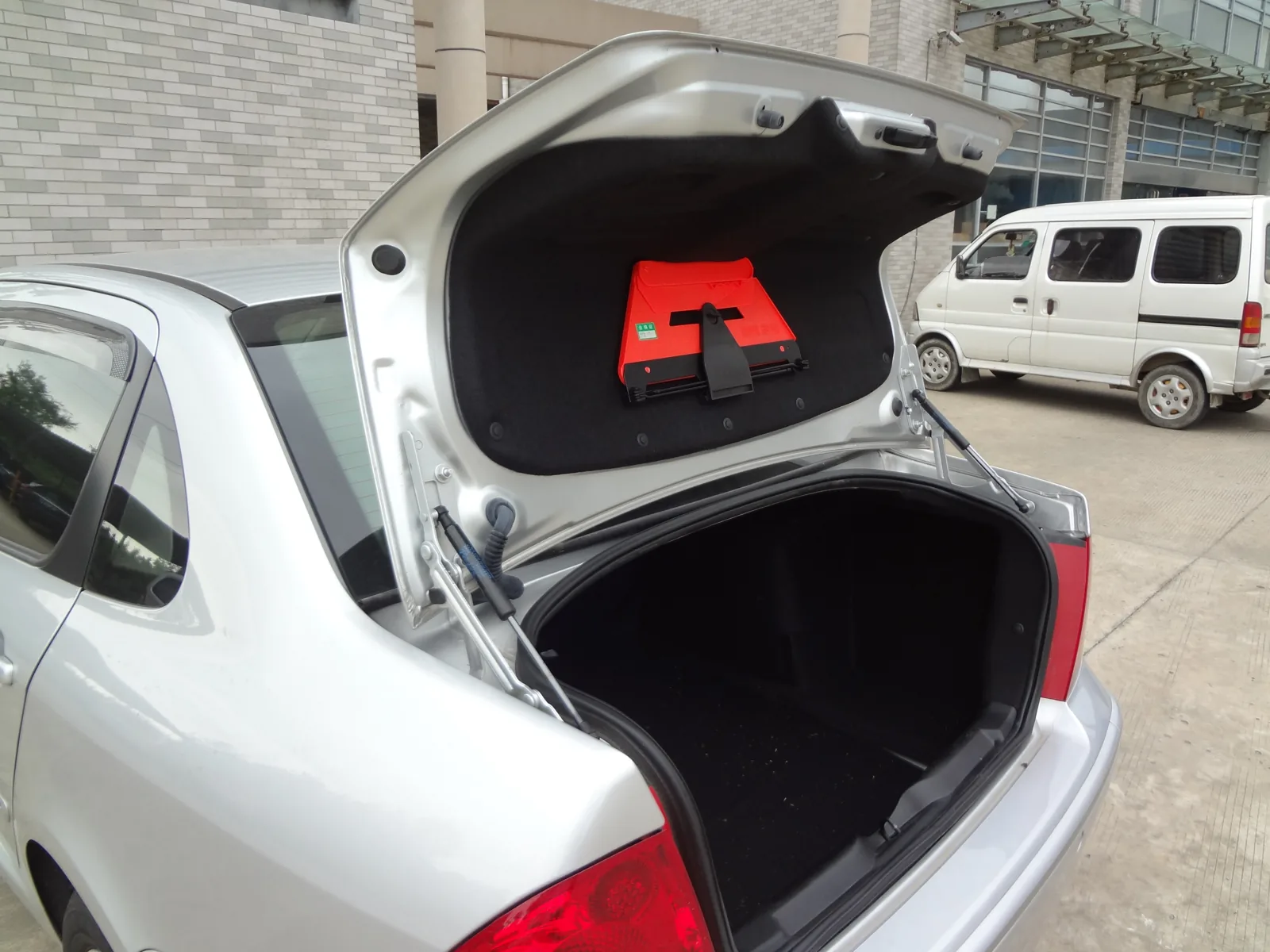
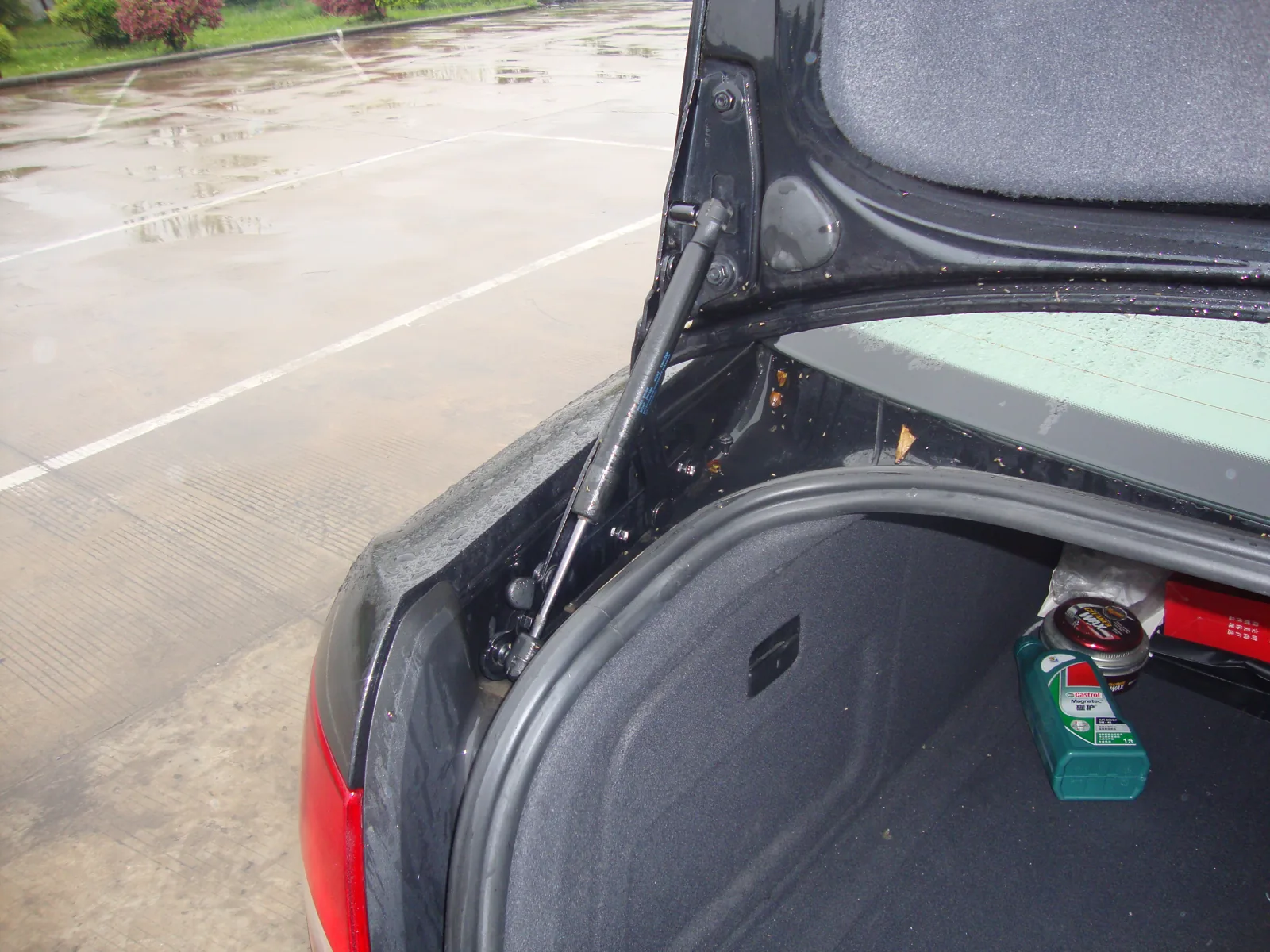
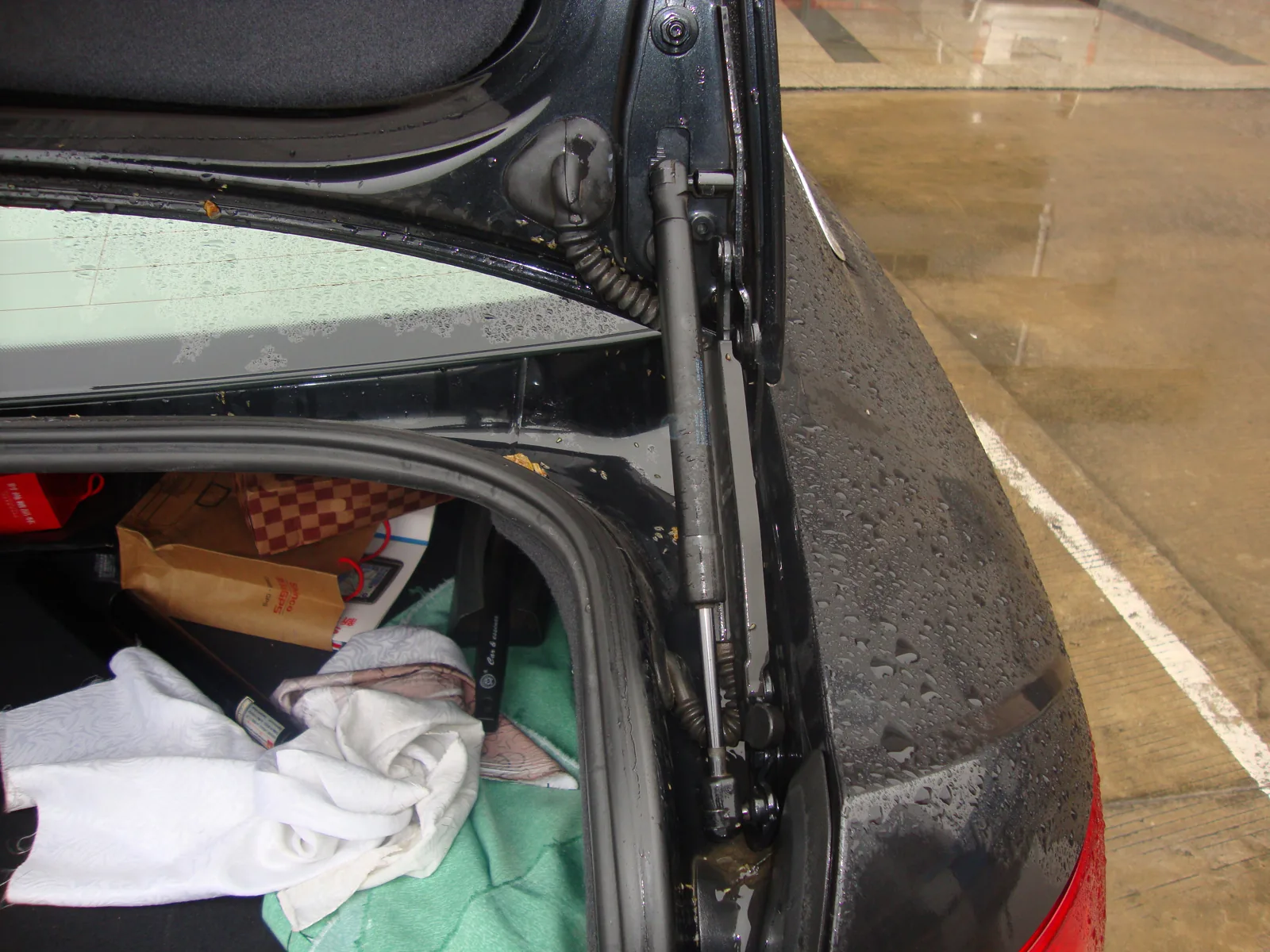
Vehicle Hood Gas Spring Selection Guide
Vehicle gas springs cover hood struts, tailgate struts, trunk supports, camper panels, and service vehicle compartments. A gas spring for hood support should be checked for temperature range, vibration, safety during maintenance, and fit with the existing brackets.
Best-Fit Uses
- Gas spring for hood and bonnet lift support.
- Tailgate, trunk, rear hatch, and specialty vehicle panels.
- Service vehicles, utility boxes, and custom automotive compartments.
Recommended Product Types
- Lift gas springs for hood, trunk, and tailgate support.
- Stainless or corrosion-resistant gas struts for outdoor or road-salt exposure.
- Custom force and fitting review for replacement samples or OEM designs.
What To Send For RFQ
- Panel weight, hinge position, and required open angle.
- Existing strut length, stroke, force marking, and end fittings if replacing.
- Temperature, vibration, and corrosion exposure.
- Vehicle type, quantity, and mounting photos.
Technical Specifications
| Specification | Reference Options - Confirm by Project |
|---|---|
| Force Range (F1) | 100N - 1200N (Varies by vehicle) |
| Rod / Tube Diameters | 8/18mm (Standard), 10/22mm (SUV/Van) |
| Operating Temperature | Confirmed for the selected seal, oil, and vehicle environment |
| Surface Treatment | Black QPQ Nitride for engine bay protection |
| End Connectors | Standard 10mm or 13mm plastic/metal ball sockets |
Frequently Asked Questions
Why won't my car trunk stay up in the winter?
Gas pressure drops in the cold, so struts push with less force. If the trunk falls in winter, the struts have worn below the force needed to hold the lid and should be replaced.
Do I need to replace both hood struts at the same time?
For assemblies designed with two supports, replacing them as a matched pair is generally advisable. Follow the vehicle manufacturer's service instructions and inspect both brackets and hinges.
How do I find the right replacement for my car?
Measure the fully extended length and look for the printed Newton (N) or pound (lbs) rating on the barrel. The gas spring dimensions guide shows how to measure and cross-check.
Which way should I mount the new strut?
Rod-down orientation when closed is commonly preferred for standard gas springs, but the correct direction depends on the original design and damping requirement. Follow the approved drawing and the mounting guide.
Are replacements stronger than factory struts?
Replacements are matched to the original force rating and dimensions. A much stronger strut makes the hood or tailgate hard to close and can bend the panel.
What sizes are typical for hood and tailgate gas springs?
Typical sizes are 8/18 mm rod and tube for cars and 10/22 mm for SUVs and vans, with forces of about 100-1200 N and 10 mm or 13 mm ball sockets. Exact values come from the panel weight and geometry.
What should an OEM send for a hood or tailgate gas spring quote?
Send the panel weight, hinge location, open angle, target stroke, extended length, compressed length, end fitting style, mounting photos or drawings, working temperature, vibration exposure, and expected quantity.