Industrial Gas Struts and Gas Springs for Machinery
Gas Struts For Machinery Covers And Safety Guards
Industrial gas springs assist heavy machine guards, generator covers, conveyor covers, compressor hoods, and maintenance panels. They reduce manual lifting effort and help operators keep covers open during inspection or service work.
How Engineers Specify Industrial Gas Struts
Industrial equipment gas struts should be selected by load weight, hinge position, opening angle, stroke, force, mounting point distance, contamination exposure, temperature, and expected cycle frequency. Heavy covers may need paired gas springs, lockable gas springs, or mechanical safety locking depending on risk level.
Industrial OEM Safety And Environment Review
Machinery builders should review machine guard weight, pivot location, operator access frequency, cutting fluid or dust exposure, ambient temperature, and whether a secondary mechanical support is required. The same cover weight may need different gas spring construction when used on a clean cabinet, generator hood, conveyor guard, or washdown machine.
Selecting Gas Struts For Machine Guards, Covers, And Access Panels
Machine guards that operators open often need a force that lifts the guard without letting it fly open, two struts on wide guards, and a wiper against coolant and chips. Heavy covers and hoods need larger sizes such as 10/22 mm or 14/28 mm and stiff brackets. Access and inspection panels that are opened rarely can use a lighter strut, but should still stay open on their own while someone works behind them.
Industrial Locking Gas Springs And Hold-Open Options
Where a guard or panel must stay at a chosen opening or must not drop during maintenance, use an industrial lockable gas spring, which locks at any point of the stroke and is released by a push-button, lever or cable, or add a mechanical safety prop or locking tube. The machine risk assessment decides which one is needed.
Industrial Equipment Gas Spring Applications
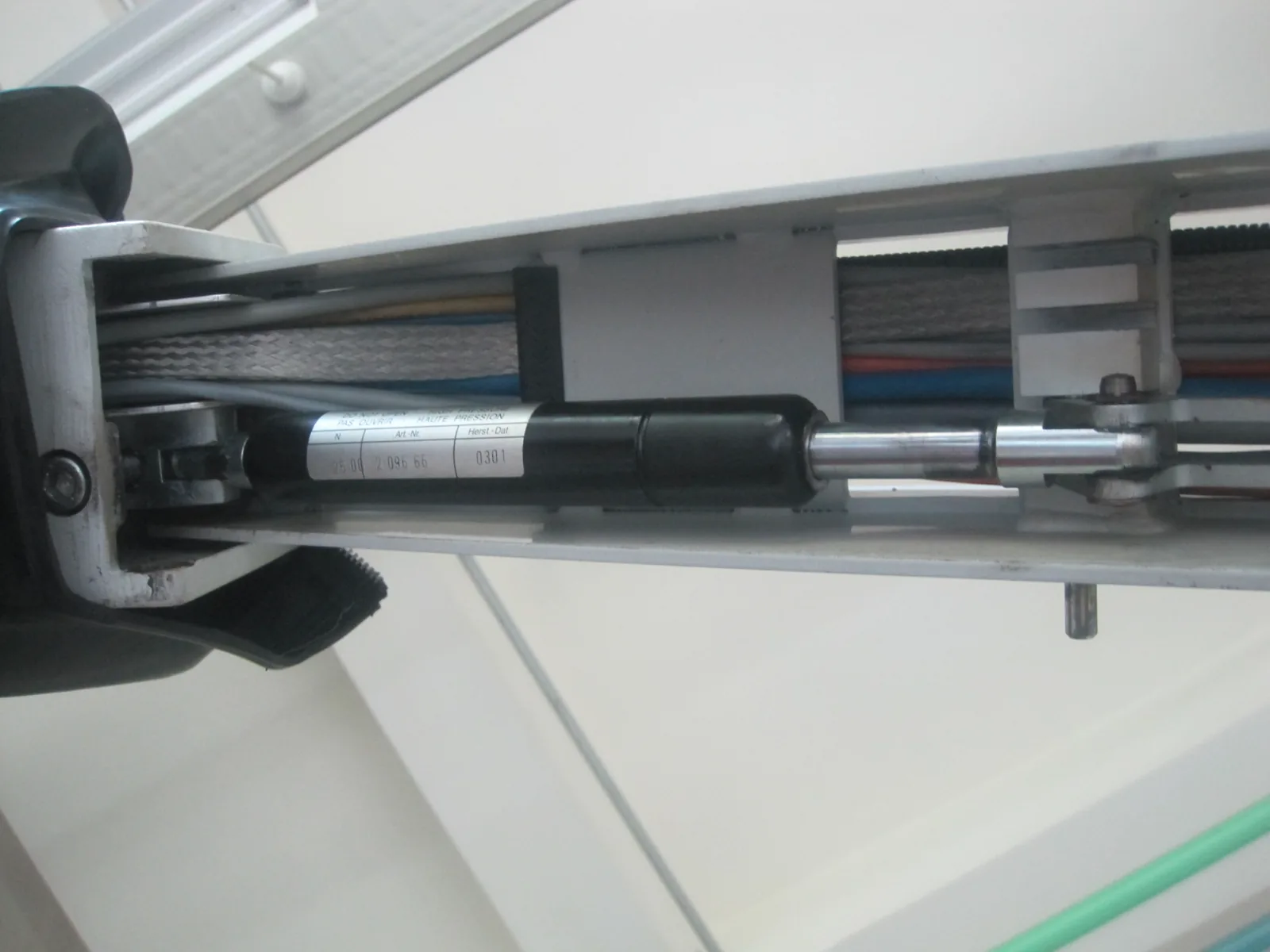
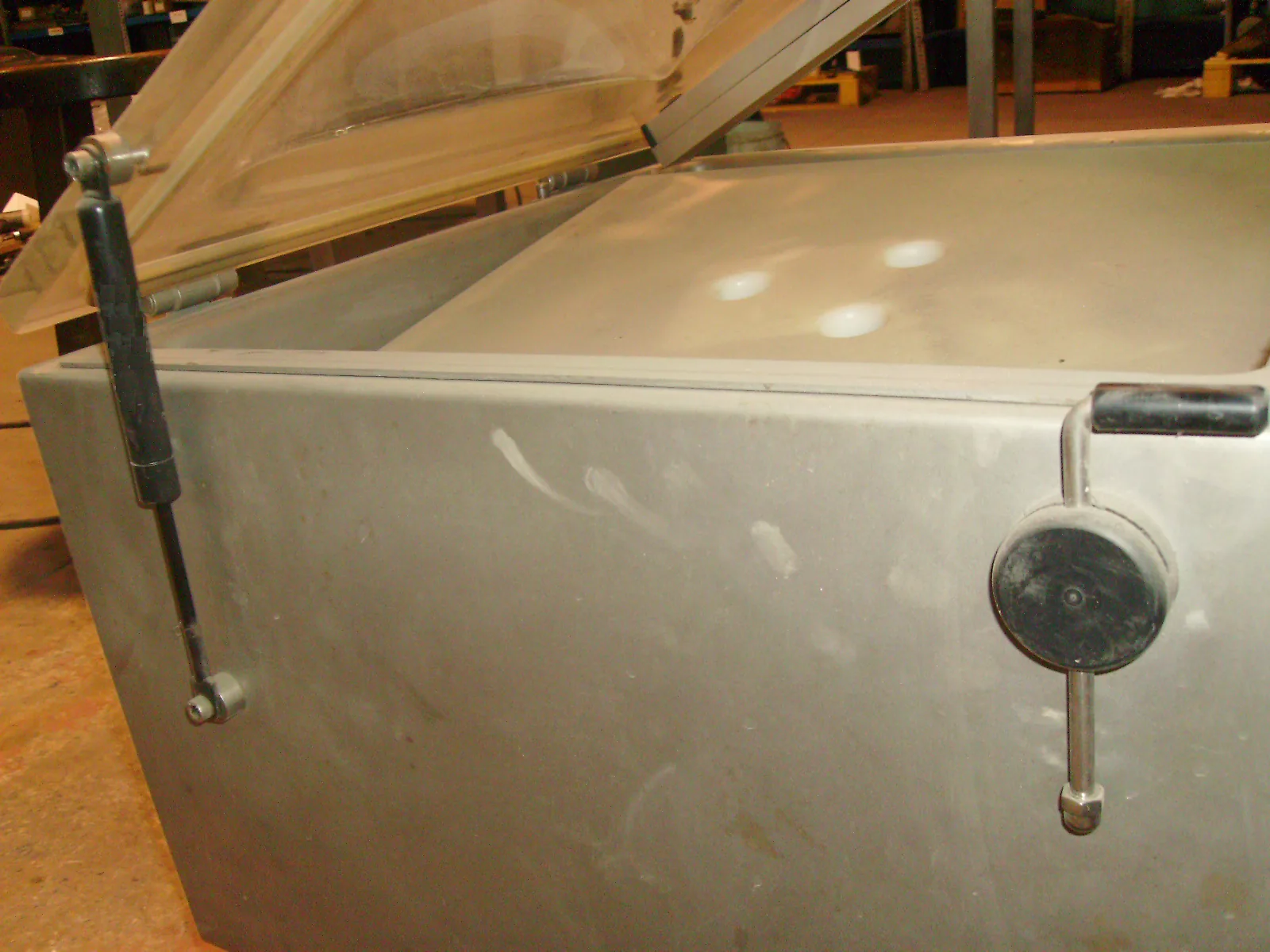
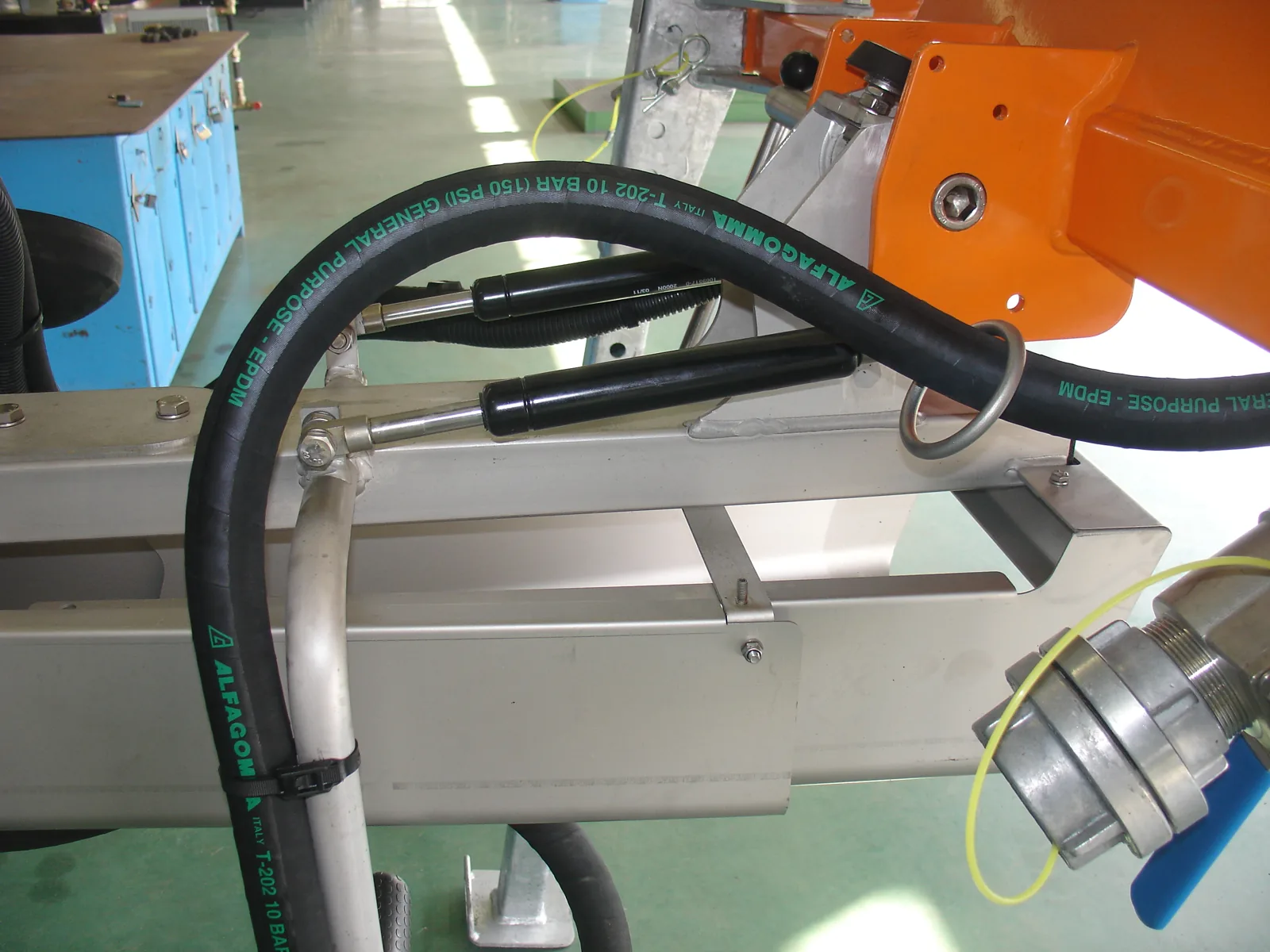
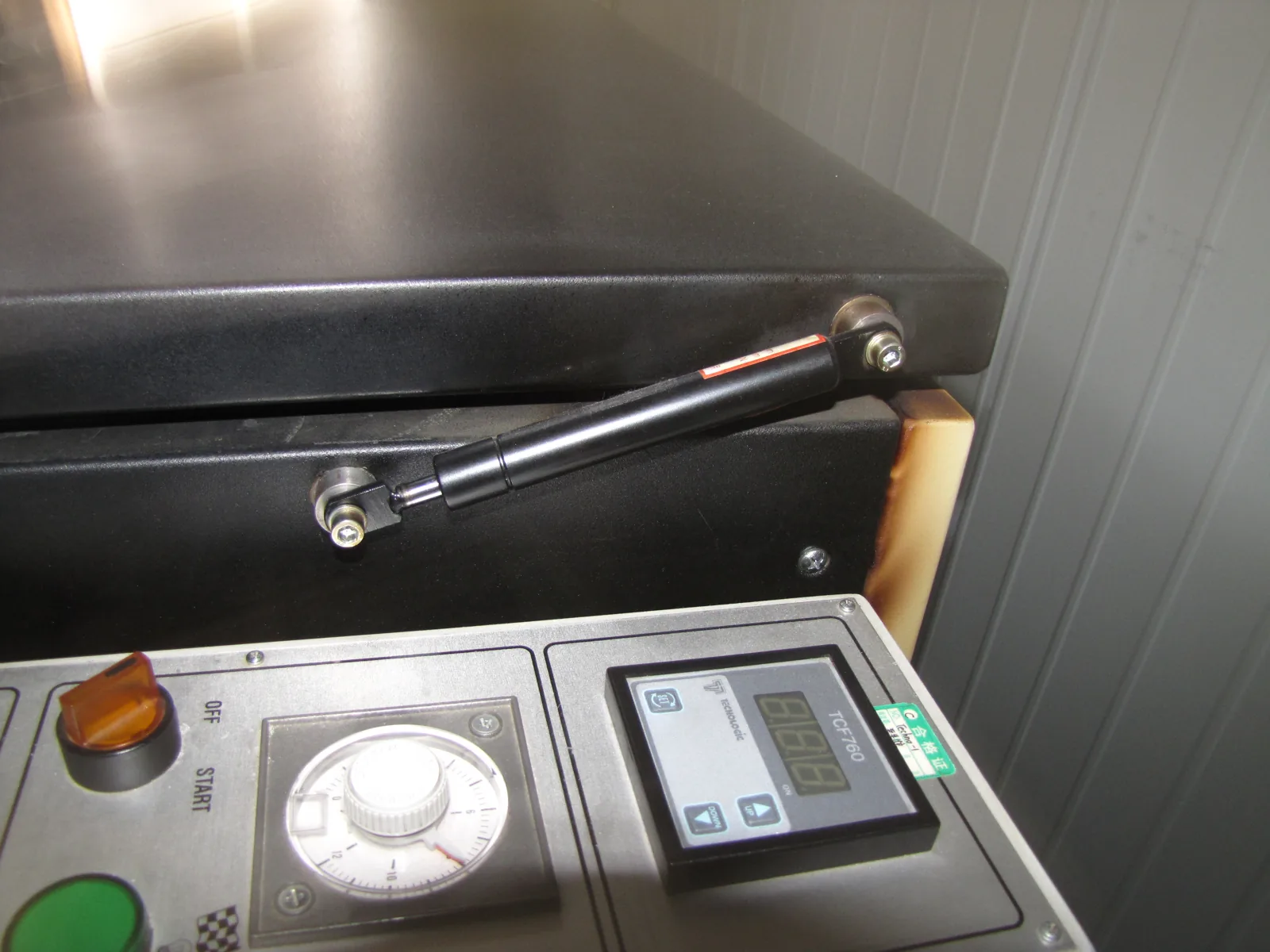
Industrial Gas Spring Selection Guide
Industrial gas springs support machine guards, heavy covers, maintenance panels, generator hoods, and equipment access doors. The key is not just lifting force; engineers also need to consider contamination, temperature, vibration, operator safety, and whether a secondary lock is required.
Best-Fit Uses
- Machine guards and inspection covers opened during maintenance.
- Generator, compressor, conveyor, and enclosure hoods.
- Industrial panels where operators need safer one-person access.
Recommended Product Types
- Heavy-duty lift gas springs for covers and guards.
- Lockable gas springs where a panel must hold in adjustable positions.
- SS316 stainless steel gas springs for washdown or corrosive factories.
What To Send For RFQ
- Cover weight, hinge axis, center of gravity, and open angle.
- Cycle frequency, temperature, dust, oil, water, or chemical exposure.
- Whether paired gas springs or safety stays are required.
- Mounting drawings, end fitting type, force target, and quantity.
Technical Specifications
| Specification | Reference Options - Confirm by Project |
|---|---|
| Force Range (F1) | 200N - 2500N (Ultra High Capacity) |
| Rod / Tube Diameters | 10/22mm, 14/28mm, 20/40mm |
| Sealing Profile | Primary NBR seal + external dirt wiper |
| Operating Temperature | Confirmed for the selected seal, oil, and nearby heat sources |
| Cycle Rating | Confirmed against the project duty cycle and agreed test method |
Frequently Asked Questions
Do you make industrial locking gas springs?
Yes. Lockable gas springs lock at any point of the stroke and are released by a push-button, lever or Bowden cable, so a guard or panel can be held at a chosen opening. For maintenance access, the machine risk assessment decides whether a mechanical prop or locking tube is also needed.
What is the maximum weight an industrial gas spring can lift?
Available force depends on the selected series. Force rating cannot be converted directly into lid weight because hinge geometry, mounting distance, angle, friction, and the number of supports determine the required value.
Will cutting fluids or machine oils damage the struts?
Long exposure to cutting fluids and oils can attack standard seals. An external dirt wiper and a seal material suited to the fluid can be specified; send the fluid type and exposure for review.
How do I ensure the machine guard won't fall on an operator?
Use two gas springs per guard where possible, choose the force with a safety margin, and use a mechanical prop, locking tube, or suitable lockable gas spring where the guard must stay open during maintenance. The machine risk assessment decides the safety function.
Can you match the dimensions of a failing European or Japanese OEM strut?
Yes. Send the stroke, extended length, compressed length, end fitting type, and force rating so a replacement or OEM equivalent can be reviewed; fit is confirmed after dimensional and functional checks.
Do you offer damping to prevent heavy lids from slamming open?
Damping can be reviewed where the selected series supports it. The required direction and amount depend on the moving mass, speed, geometry, temperature, and desired end-of-travel behavior.
How long do industrial gas springs last?
Service life depends on cycles, load, mounting, temperature, and environment. LX gas springs have passed a TÜV fatigue test of 180,000 cycles, and all LX gas springs are covered by a 3-year warranty. Cycle and corrosion tests can be agreed on samples for OEM projects.