Marine Gas Springs Manufacturer: SS316 Stainless Steel Marine Gas Struts
SS316 Gas Springs For Marine Hatches
Marine gas struts are used on yacht hatches, engine room covers, dock boxes, bait wells, fish boxes, pilot-house windows, and coastal equipment exposed to saltwater, humidity, and ultraviolet light. SS316 stainless steel gas springs are preferred where standard steel struts may corrode, especially when the rod, tube, ball sockets, and brackets are all exposed to chloride-rich air.
Marine OEM Selection Parameters
To specify stainless steel marine gas springs, provide hatch weight, hinge-to-center-of-gravity distance, mounting positions, stroke, extended length, compressed length, opening angle, end fitting style, and exposure conditions such as salt spray, deck washdown, outdoor storage, or coastal humidity. LX Gas Spring can review custom force and fitting requirements for marine OEM projects without assuming a one-size-fits-all hatch strut.
Match The Gas Strut To The Boat Hardware
A light dock-box lid, a heavy insulated engine hatch, and a commercial vessel access cover need different force curves and mounting hardware. Boat builders should confirm whether the application needs simple lift support, a paired strut layout, stainless brackets, or an additional mechanical safety stay for rough-sea service.
Related Marine Product Choices
Most marine hatch projects start with SS316 stainless steel lift gas springs. Lockable gas springs may be reviewed for adjustable helm seats or console positioning, while dampers can be considered where controlled closing is more important than lift force.
Marine OEM Hardware And Corrosion Review
Boat builders and marine hardware distributors should specify the gas spring together with bracket material, fasteners, hatch weight, deck angle, washdown exposure, and expected quantity. A stainless gas spring alone is not enough if surrounding fittings create corrosion or alignment problems.
Check The Complete Stainless Hardware System
Material selection should cover the pressure tube, piston rod, end fittings, ball studs, brackets, fasteners, and adjacent mounting materials. SS316 can improve resistance to chloride exposure, but drainage, crevice geometry, cleaning frequency, dissimilar metals, and standing saltwater can still affect the installation. Confirm the requested material and any corrosion test requirement during project review.
Plan Mounting Geometry And Safe Hatch Access
Record the hatch mass, hinge axis, center of gravity, closed and open mounting distances, desired opening angle, available stroke, and clearance around the fittings. The selected layout should be checked on the real assembly for closing effort, hold-open behavior, bracket load, side loading, interference, and access for inspection. A mechanical stay may be appropriate where the risk assessment requires secondary support.
Marine Gas Strut RFQ Checklist
Send hatch photos or drawings, hatch weight, hinge-to-center-of-gravity distance, mounting point coordinates, open angle, stroke, extended and compressed length, force marking from any existing part, number of struts, end fitting type, bracket and fastener materials, saltwater or washdown exposure, temperature range, expected cycle frequency, annual quantity, and any test or certificate requirements.
What Makes A Marine Gas Spring Corrosion Resistant
A marine gas spring is a gas spring built for salt spray, humidity and washdown: the pressure tube, piston rod and end fittings are SS316 stainless steel instead of painted carbon steel, and the sealed unit keeps salt water away from the nitrogen and oil inside. LX Gas Spring makes them in its own plant in Changzhou and compares materials and finishes with in-house salt spray testing; test duration and acceptance criteria are agreed per project. SS316 contains molybdenum, which resists chloride pitting better than SS304, so it is the usual grade on boats.
Choose Marine Gas Springs By Exposure
Choose by exposure: Deck hatches and lids in the open: SS316 strut with SS316 fittings, brackets and fasteners; mount rod-down and let water drain. Cabin, locker and seat lids: SS316; two struts on wide lids so the panel does not twist. Engine room covers: SS316 heavy-duty strut, usually two, checked for the temperature near the engine. Dock boxes and coastal equipment: SS316 with metal end fittings; plastic sockets age faster in sun. Below the waterline or submerged: Not a gas spring location: mount above the waterline and away from standing water.
Marine Gas Strut RFQ List
Hatch or lid weight and size; Hinge-to-centre-of-gravity distance; Closed and open mounting points; Opening angle and stroke; Extended and compressed length; End fittings and bracket material; Exposure: spray, washdown, engine heat; Number of struts and quantity.
Marine Gas Spring Manufacturer For Boat And Yacht Builders
LX Gas Spring (Changzhou Longxiang Gas Spring Co., Ltd.) manufactures SS316 stainless steel marine gas springs and gas struts for boat hatches, engine covers, yacht covers, dock boxes, bait wells, and coastal equipment. Each strut is built to the hatch weight, mounting points, stroke, and stainless end fittings of the project, tested in the in-house laboratory with force testers, endurance testers, and a salt spray chamber, and shipped to boat builders and marine hardware distributors in more than 70 countries. LX gas springs have passed a TÜV fatigue test of 180,000 cycles, and all LX gas springs are covered by a 3-year warranty.
SS316 Marine Gas Struts
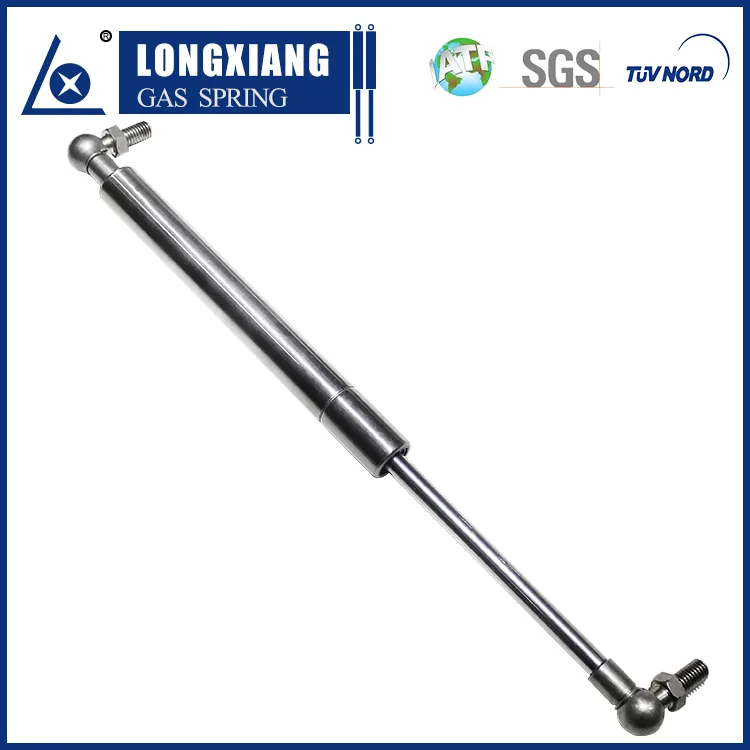
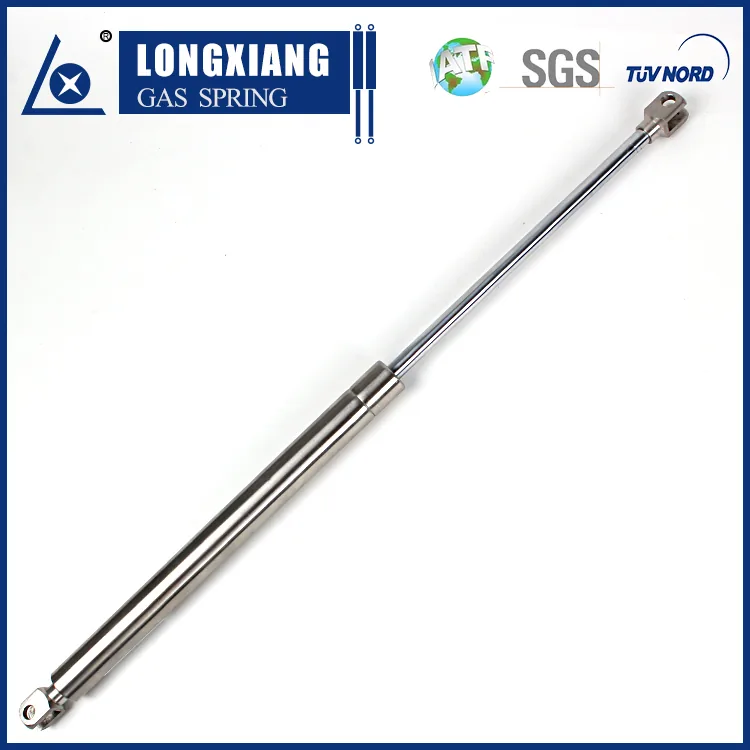
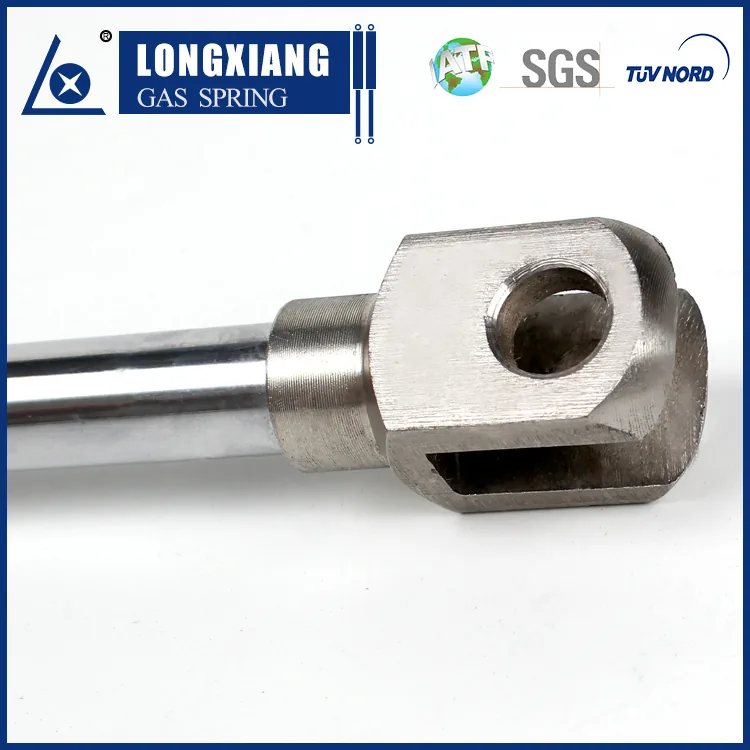
Marine Gas Strut Selection Guide
Marine gas struts should be selected around hatch weight, saltwater exposure, deck washdown, stainless hardware, and safe hold-open behavior. For boat builders, corrosion resistance and mounting bracket material are often as important as force.
Best-Fit Uses
- Boat hatches, yacht engine-room covers, and deck storage lids.
- Bait wells, fish boxes, dock boxes, and pilot-house windows.
- Coastal equipment exposed to salt air and frequent washing.
Recommended Product Types
- SS316 stainless steel gas springs for saltwater and washdown environments.
- Lift gas springs for standard hatch support.
- Lockable gas springs for adjustable seating or console positioning.
What To Send For RFQ
- Hatch weight, hinge-to-center-of-gravity distance, and open angle.
- Saltwater, washdown, outdoor storage, or coastal humidity exposure.
- Required end fittings, bracket material, and number of struts.
- Stroke, extended length, compressed length, quantity, and photos.
Technical Specifications
| Specification | Reference Options - Confirm by Project |
|---|---|
| Force Range (F1) | 20N - 2000N (SS316 / 316L range) |
| Stroke | 75mm - 450mm |
| Rod & Tube Material | SS316 / 316L Stainless Steel |
| Surface Finish | Confirmed from appearance, exposure, and cleaning requirements |
| Corrosion Resistance | Reviewed against chloride exposure and the requested test method |
| Operating Temperature | -30 °C to +100 °C |
| End Fittings | SS316 Ball Sockets, Eyelets, and Brackets |
Frequently Asked Questions
What makes a gas spring suitable for marine use?
An SS316 stainless steel tube, piston rod and end fittings, with stainless brackets and fasteners, so no part of the mounting rusts in salt spray. LX Gas Spring compares materials and finishes with in-house salt spray testing.
Can marine gas springs be used underwater?
No. Gas springs are made for spray, rain and washdown, not for continuous immersion. Mount them above the waterline, away from standing water, with the rod pointing down so water runs off.
Is LX Gas Spring a marine gas spring manufacturer?
Yes. LX Gas Spring (Changzhou Longxiang Gas Spring Co., Ltd.) manufactures SS316 stainless steel marine gas springs and gas struts for boat hatches, engine covers, yacht covers, and dock boxes, with custom force, length, stroke, and stainless end fittings, for boat builders and marine distributors in more than 70 countries.
Why should I choose SS316 over SS304 for my boat?
SS316 contains molybdenum and generally offers better resistance to chloride pitting than SS304. It can still corrode under severe or poorly drained exposure, so the full installation and cleaning conditions must be reviewed.
Can I use standard painted gas springs on my dock box?
Coated steel may be suitable in protected locations, while sustained salt or washdown exposure often justifies SS316. The decision should reflect exposure severity, expected life, inspection access, and cost.
Do your marine gas springs come with stainless steel mounting brackets?
Matching stainless end fittings and brackets can be reviewed as part of the project. Availability and material grade should be confirmed for the selected gas spring and hardware package.
How do I determine the force needed for a heavy fiberglass engine hatch?
Record the hatch weight, center of gravity, hinge location, opening angle, and proposed mounting points. An initial force range can be calculated, but the final selection should be validated on the actual hatch.
Will the gas springs lose pressure over time?
Gas spring force can change with age, temperature, seal condition, cycle use, corrosion, and installation quality. Service life should be evaluated against the real vessel environment and inspection history.
How should I maintain marine gas springs?
Fresh-water rinsing can help remove salt deposits. Do not apply lubricant to the rod unless the product instructions require it, and inspect the rod, seals, brackets, and fasteners at intervals appropriate to the vessel's use.
Are these suitable for commercial offshore fishing vessels?
Commercial vessel suitability depends on hatch loads, duty cycle, classification or customer requirements, corrosion exposure, and validation. Send those requirements for review before selection.
Can the hatch slam shut if the boat rocks violently?
Gas springs are sized to hold the hatch open in normal conditions. For rough-sea environments, pair the strut with a mechanical safety locking tube or stay.
What details should be included in a marine gas strut RFQ?
Send hatch weight, hinge distance, open angle, stroke, extended length, compressed length, bracket material, end fitting type, saltwater or washdown exposure, quantity, and photos or drawings of the hatch.